Sunday, 11 October 2015

Healthy Morning Habits: Nourish Yourself

The amount of time, effort and money you spend on this post’s topic is completely up to you. By planning your meals in advance and researching ingredients and recipes, you can create affordable and healthy meals that help you be at your best. In any case, eating healthier now will certainly save you money on healthcare down the line. Read my post “Why We Shouldn’t Cut Corners On Health”.


Benefits of eating well balanced breakfast: 


Top left, clockwise: Oatmeal with chia seeds and maple syrup; vegan cheese and tomato on high-protein toast; quinoa flakes, banana and chia seeds; multi-seed mix, coconut yoghurt and mango.

What makes a nourishing breakfast: Complex carbs, protein and good fats. It is also important to get enough fibre in your diet, high fibre breakfast foods are a great way to start. All of these components (macronutrients) keep you fuller for longer and help your energy levels stay solid until lunchtime. Aim for a well-balanced meal that is roughly 50% complex carbs, 30% good fats and 20% lean protein. 

Some examples of well-balanced meals can be found here, here and here.

Steering clear of processed foods and going for “whole foods” (whole grains, fruit, vegetables, nuts, seeds, legumes) is crucial for optimal health. Why not take care of part of your daily food and nutrient requirements — add some banana to your oatmeal, have some baby spinach with your eggs or sprinkle some chia seeds onto your toast?


Not too much sugar in morning: Junky breakfast products such as pastries and sugary spreads are an obvious no-no. Also, watch out for sneaky sugar in popular cereals that are often marketed as “healthy”. Too much sugar causes your blood glucose levels to spike which can lead to feeling tired, moody, anxious, confused, weak, hungry and craving more sugar (idiopathic postprandial syndrome or reactive hypoglycaemia).


Don’t eat what you can’t stomach: Although for many people breakfast IS the most important meal of the day, some (adult) bodies do not need to “break the fast” first thing in the morning. Some function better when they do not eat until midmorning or even lunchtime. It is all about listening to your body’s needs because it knows better than anyone what is going to make it healthy. 

If you are someone who feels better eating later in the day it can be tempting to go for processed snacks (pastries, “healthy” sugar-loaded muesli bars etc) because they are easily available at work or uni. I suggest using the time in the morning that others would spend making and eating breakfast to prepare a nutritious meal to take with you. 


Save time, prep beforehand: For people short on time in the morning, look for recipes that you can prepare or make completely the night before such as overnight oats or chia pudding.

How to do a squat

Squats are a type of exercise that can be done at home without any sort of equipment. Squats work out the body and core muscles, they also help to shape the thighs and buttocks.  Squats also improves the blood circulation, posture and also digestion. 

This exercise focuses on the lower part of the body and works out quadriceps, calf, abdominals, spine and many more. 

Steps
1. Stand tall with your feet apart and your arms down beside
2. Start to lower your back as far as you are pushing your hips and bending your knees and pushing your body weight into your heels
3. Make sure you lower into the squat and your arms will start to raise out in front of you for balance
4. Keep a neutral spine at all times and never let your knees go over your toes
5. The lower body should be parallel with the floor and your chest should be lifted at all times.
6. Pause then lift back up in a controlled movement to the starting position
7. Repeat steps 1-6 at least 10 times


Saturday, 10 October 2015

Tips to make exercise enjoyable

Staying fit can be challenging for all athletes of varying abilities. For a lot of us, its safe enough to agree that its hard enough to get off the couch. There are certain secrets that fit people possess to maintain and manage their fitness regime. Other than having serious health benefits, it is essential to make exercise enjoyable rather than a routine. Here are some valuable tips:

- Think about the physical activities that you enjoyed doing as a child and possibly try it out. It would take time to decide what kind of fitness is suitable. 
- Always change your fitness activity by walking, hiking or bike riding
- Workout for a good cause such as breast cancer
- Do yoga which relaxes the mind
- Could listen to your MP3 player while working out
- Increase the level of activity time and intensity by building your endurance level little by little. Balancing against a wall.
- Eat more protein
- Stand on your head to gain balance and control. 
- Review your progress with regular focus on what you have achieved


Friday, 9 October 2015

A Guide to do Sit ups


The motion of sit ups allows to be beneficial for an athlete’s whole body. It doesn’t only work on your abdominals it also works the hips by building a strong core. This type of exercise requires no equipment apart from a yoga mat or any sort of mat to create a stable and comfortable surface to lay down on. Sit ups can also be performed on a gym ball enabling spinal comfort. 

Steps

1. Lie on your back with your knees bent and your feet flat on the floor. 


2. Place your hands on opposing shoulders, so that your arms are crossed over your chest, or behind your head. This allows you to have a central rising point. 


3. Keep your heels on the ground and your toes flat to the ground, slowly and gently lift your head first, followed by your shoulder blades. Pull up from the floor until you’re at a ninety-degree angle.


4. Head always looking straight, and no chin on chest and do not pull the head forward.
5. Roll back down to the starting position. 


6. Repeats steps 3-5 at least 20 times.

Healthy Morning Habits: Get Up & Get Moving

This post’s healthy habit suggestions are a little more challenging than drinking a glass of water. If you can push yourself to try even one of these you will undoubtedly see an improvement in the amount of energy you have in the morning and throughout the rest of the day. 


Get up as soon as you wake. Hitting the snooze button can wreak havoc on your body. Each time you hit that button and lie back down your brain thinks it’s not actually time to get up yet and restarts your sleep cycle. This increases the effect and duration of that groggy, “I-hate-mornings” feeling known as sleep inertia

By getting up at the same time every day (and going to bed at the same time) we also help to regulate our body clocks. After a while our body’s rhythms change so we wake up naturally at that time with less trouble, and get a better night’s sleep overall.


Get moving and stretch. One of the first things you can do after getting out of bed is to spend at least a few minutes stretching. This really helps to wake you up by getting the blood and oxygen circulating, loosening up any stiffness, aching in your joints and muscles, straightening your spine and helping your mind focus on waking up for the day. 

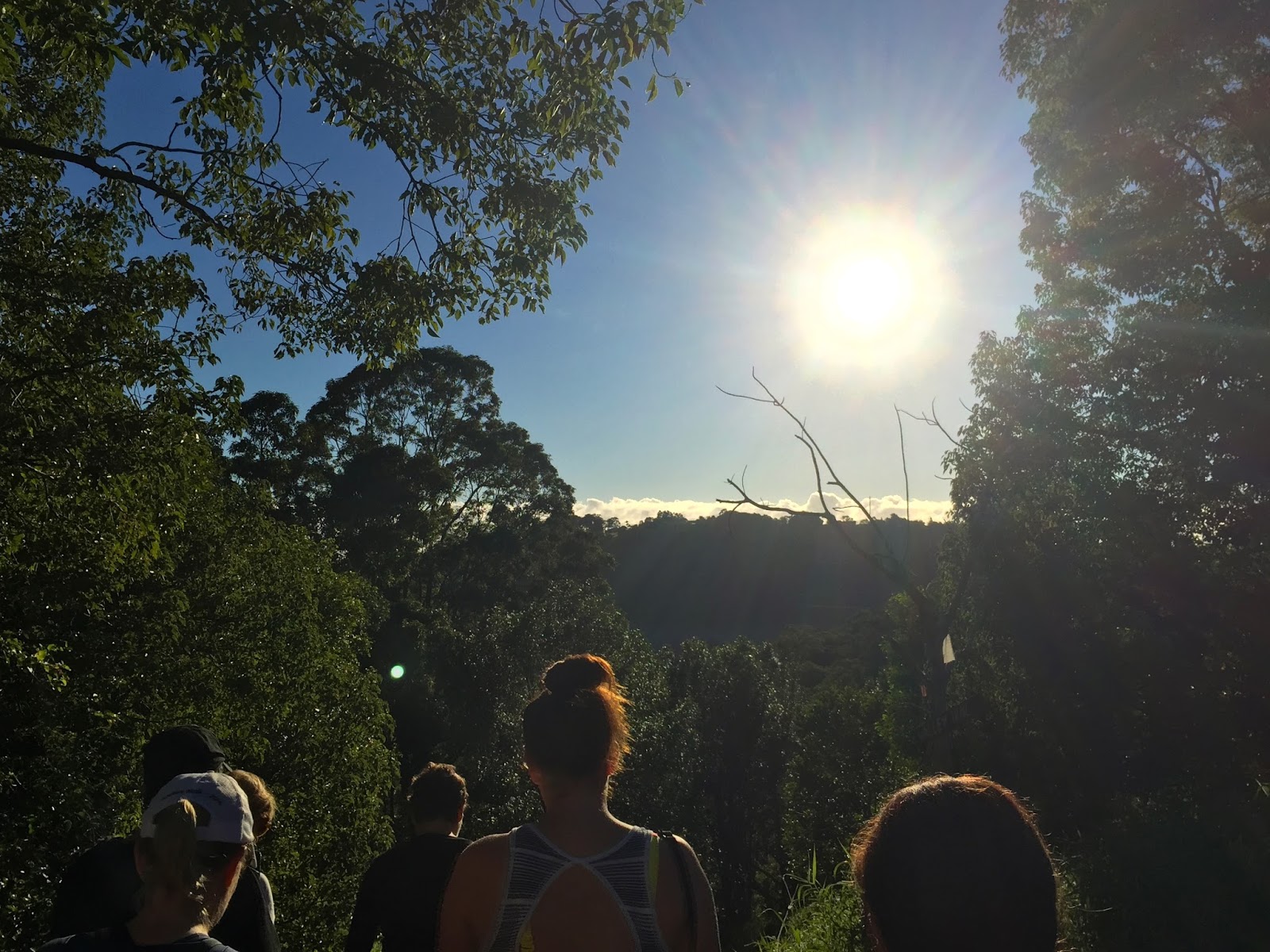
Tough to stay motivated? It's better with friends.

Get moving some more. If you have time in the morning, try getting in a little bit of exercise before breakfast. Going for a 15 minute walk can help your brain wake up even more by further improving your circulation. The time you spend walking can allow you to relax in preparation for your day, or you may use the time to plan the day’s goals.


If you are interested in doing a higher intensity workout like a run, it is a good idea to have a small piece of fruit or other light breakfast item beforehand so exercising doesn't leave you feeling drained.

Benefits of exercise

Exercise is a very essential pathway to improving physical abilities and ultimately gaining appropriate fitness. You might think exercise needs a lot of motivation. Getting fit and staying fit is a great achievement, yet a hard task for some. Becoming fit helps an individual feel happy, healthy and full of energy. Exercising also helps keep the immune system stabile by improving the overall health by reducing the risk of cardiovascular diseases. Regular exercise also helps reduce the risk of stroke, cancer and arthritis which helps from getting depression.
Exercise controls weight, by just going to walks which helps burn calories and help control your weight. It also increases the level of energy and endurance by physical activity which improves strength muscle and boosts endurance. This is beneficial by higher concentration in the red blood cells. This helps the oxygen and nutrients deliver to the tissue affect throughout the body and your muscles becomes more stronger and more elastic. For people who struggle to sleep helps you sleep better because the physical activity is generally retiring which makes it easier to sleep. Exercise is a one of the best methods to reduces stress. Exercise makes your muscles relax and the endorphins released in your brain reduce the stress levels dramatically.


Wednesday, 7 October 2015

What to eat when procrastination sets in!


When students are studying, procrastination may kick in and tell your brain your hungry. It’s a proven fact that engaging in strenuous mental activity increases hunger and calorie intake. Most people turn to unhealthy snacks such as chocolate and lollies to get the instant sugar buzz, however, these snacks decrease concentration at a rapid rate after the 20-minute buzz. Here is a list of snacks that can assist in improving brain power of which are easily accessible and easy on the wallet. 


Fruits and Vegetables: Apples, bananas and oranges are all cheap fruits that can be purchased at the local supermarket. (Coles, Woolworths, Aldi, IGA). These fruits contain multiple vitamins and carbs that assist with brainpower. Although these fruits can contain high amounts of sugar, they are balanced out with the fiber, calcium, potassium and protein that they provide.
Blueberries (Super food) are one of the best options to consume while studying. They are a little more expensive in terms of fruit (approximately $5-$8 per punnet depending on the season) However they are full of antioxidants as well as increasing learning capacity. 
Carrots are also a good option to snack on as you can combine it with other things to increase the variety of flavour. A good mix is Carrot and Hummus. Hummus is cheap ($4 per tub) and can be added to biscuits, celery, carrot and even corn chips. 

Nuts are common and beneficial snacks to eat as there are so many different types, each containing their own health benefits. The best ones for study are: Almonds and Peanuts. To create a variation of flavour, A Trail mix is also a good option as you can combine these nuts with dried fruit in a small bag and eat it on the go!
Some others good snacks include: Eggs, Dark Chocolate, Avocado, Peanut butter, Pretzels and Greek Yoghurt.


All of these foods can be bought from Coles, Woolworths, IGA, ALDI or a local fruit shop.

Healthy Morning Habits: Hydrate

As a 20 year old university student I will be the first to say that mornings are a battle. I don't feel good about the day ahead if I wake up groggy, grumpy, or if I can’t bring myself to get going quickly. Having a healthy morning routine can be a huge help in setting yourself up for the day. Over the next few posts I will be writing about free and simple healthy habits you could add to your morning routine to start each day on a healthy foot. Think about which healthy habits might be doable to make your mornings a more enjoyable experience.


Drink one or two glasses of water upon waking.


We know eating in the morning is important for our bodies because we are “breaking the fast” our bodies go through while sleeping for hours. It is even more important that our bodies be given water as soon as possible! Water is needed for our bodies to function correctly and it can be hard to make sure you are drinking a sufficient amount.

By addressing your bodies hydration needs first thing you can lessen any morning grogginess you may feel. Hydrating as soon as possible wakes up your brain, helps your heart circulate more oxygen, kick starts your digestive system, and loosens up any achy joints or muscles.

Mild dehydration can cause fatigue, trouble focusing, headaches, dizziness and weakness. If you think you may not be drinking enough water and your energy doesn't improve after getting up in the morning, maybe consider dehydration as a contributing factor. By addressing your body's need for fluids first thing you can easily develop the healthy habit of keeping hydrated.


Bonus tip: add a squeeze of lemon and warm your water up a little to further help digestion, immune system and liver.

Saturday, 3 October 2015

Why We Shouldn’t Cut Corners On Health

Although the focus of MQ Student Living is about living well without spending $$$ for those on a budget, I am writing this to highlight how highly I discourage cutting corners on caring for mind and body. In fact, I highly ENCOURAGE making your health the number one thing to focus your energies on whenever and wherever possible, as much as you are able. And I say this no matter your age or current level of physical or mental wellness. 

For healthy young people health care is all about preparing for the future. It’s about working to improve your health now so that you aren't as affected by current bad habits, the negative aspects of ageing and possible future illnesses down the line. 

Setting up optimal health and good habits now could really improve your life later on. And because nothing can be enjoyed to its fullest unless we are healthy enough to be able to do so.


If you can, imagine yourself as the tree in this picture. 

Think of each leaf as a symbol of the things we want in life — success, material possessions, events and experiences, relationships. The branches are the work we put into achieving those things — study, career, efforts to socialise. The trunk is everything that makes you the person who strives for those strong branches and green leaves — your personality, your passions, who you have grown to be. 

What makes all of this possible, makes you able to get up everyday, and holds the spark of energy that drives you are the roots of the tree — your health